
Bem-vindos! We’re the ICLR 2026 Workshop on AI with Recursive Self-Improvement (RSI 2026), possibly the world's first workshop dedicated exclusively to RSI, held alongside ICLR 2026 in Rio de Janeiro (April 23 to 27, 2026; workshop day April 26 or 27). The timing couldn't be better.
Recursive self improvement is no longer a speculative vision. It is becoming a concrete systems problem. Across text, speech, vision, and embodied interaction, today’s models can already diagnose their failures, critique their behavior, update internal representations, and modify external tools. What’s missing is not ambition, but principled methods, system designs, and evaluations that make self improvement measurable, reliable, and deployable.
This workshop brings together researchers working on recursive self improving AI across omni models, multimodal agents, robotics, and scientific discovery. We focus on practical advances such as critique and reward driven learning, test time adaptation, experience accumulation, and governed model updates.
Call for Papers
We’re looking for methods, systems, and evaluations that move self improving AI from promise to practice across language, speech, and vision, as well as applications in robotics and scientific discovery.
We frame contributions through six lenses: (1) what changes (parameters, world models, memory, tools and skills, architectures), (2) when changes happen (within an episode, at test time, or after deployment), (3) how changes are produced (reward or value learning, imitation, evolutionary search), (4) where systems operate (web and UI, games, robotics, science, enterprise), (5) alignment, security, and safety (long horizon stability, regression risk), and (6) evaluation and benchmarks. We also welcome work on optimization and curricula, memory and model editing, instrumentation, and rollback.
Important Dates (AoE)
- Paper submission opens: January 1, 2026
- Paper submission deadline: February 10, 2026
- Review deadline for reviewers:
February 23, 2026February 28, 2026 - Author notification:
March 1, 2026March 5, 2026 - Workshop day: April 26 or 27, 2026
Submission Instructions
Submissions must be made through OpenReview and formatted using the ICLR conference proceedings style.
- Main Track: Up to 8 pages, excluding references.
- Tiny Papers Track: Up to 5 pages total, including references.
- All accepted papers will be presented in an extended poster session; a small number will be selected for spotlight oral presentations.
- Safety & ethics (encouraged, optional): Include a brief note on risks, limitations, and mitigations if your work touches self-improving behaviors or tool access.
Both tracks follow ICLR 2026 Workshop submission and review requirements. Accepted tiny papers may be featured on the workshop website. The reviewing process is single-blind and managed through OpenReview; AI-generated papers are not allowed, however, due to the nature of the workshop, AI-generated artifacts used as part of the work (e.g., demos, systems, or experiments) are allowed, but must be clearly disclosed, and papers must follow the Policies on Large Language Model Usage at ICLR 2026, including the disclosure of LLM usage.
Schedule (tentative, all talks include Q&A)
All invited speaker slots are 30 minutes. Oral spotlights are 10 minutes each. Times below are in BRT (Rio).
| Time (BRT) | Session | Speaker |
|---|---|---|
| Morning Session | ||
| 08:50 - 09:00 | Opening Remarks | Organizers |
| 09:00 - 09:30 | Invited Talk 1 | Yu Su (Ohio State University) |
| 09:30 - 10:00 | Invited Talk 2 | Arman Cohan |
| 10:00 - 10:30 | Coffee Break & Networking | TBA |
| 10:30 - 11:00 | Invited Talk 3 | TBA |
| 11:00 - 11:30 | Oral Session I (3 talks, 10 minutes each) | TBA |
| 11:30 - 12:00 | Invited Talk 4 | TBA |
| 12:00 - 13:10 | Lunch & Networking | |
| Afternoon Session | ||
| 13:10 - 13:40 | Invited Talk 5 | Yuandong Tian |
| 13:40 - 14:10 | Invited Talk 6 | Matej Balog |
| 14:10 - 14:40 | Coffee Break & Networking | TBA |
| 14:40 - 15:10 | Invited Talk 7 | Bang Liu |
| 15:10 - 15:40 | Oral Session II (3 talks, 10 minutes each) | TBA |
| 15:40 - 16:00 | Poster Session / Networking | TBA |
| 16:00 - 16:30 | Invited Talk 8 | Graham Neubig (Carnegie Mellon University / All Hand AI) |
| 16:30 - 17:20 | Panel Discussion (Afternoon Closing Session) | All available invited speakers |
| 17:20 - 17:30 | Closing Remarks | Organizers |
Awards 🏆
We will present two Best Paper Awards and several Outstanding Paper Awards, selected by the program committee.
Speakers & Panelists (alphabetical order)

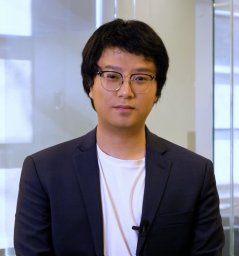

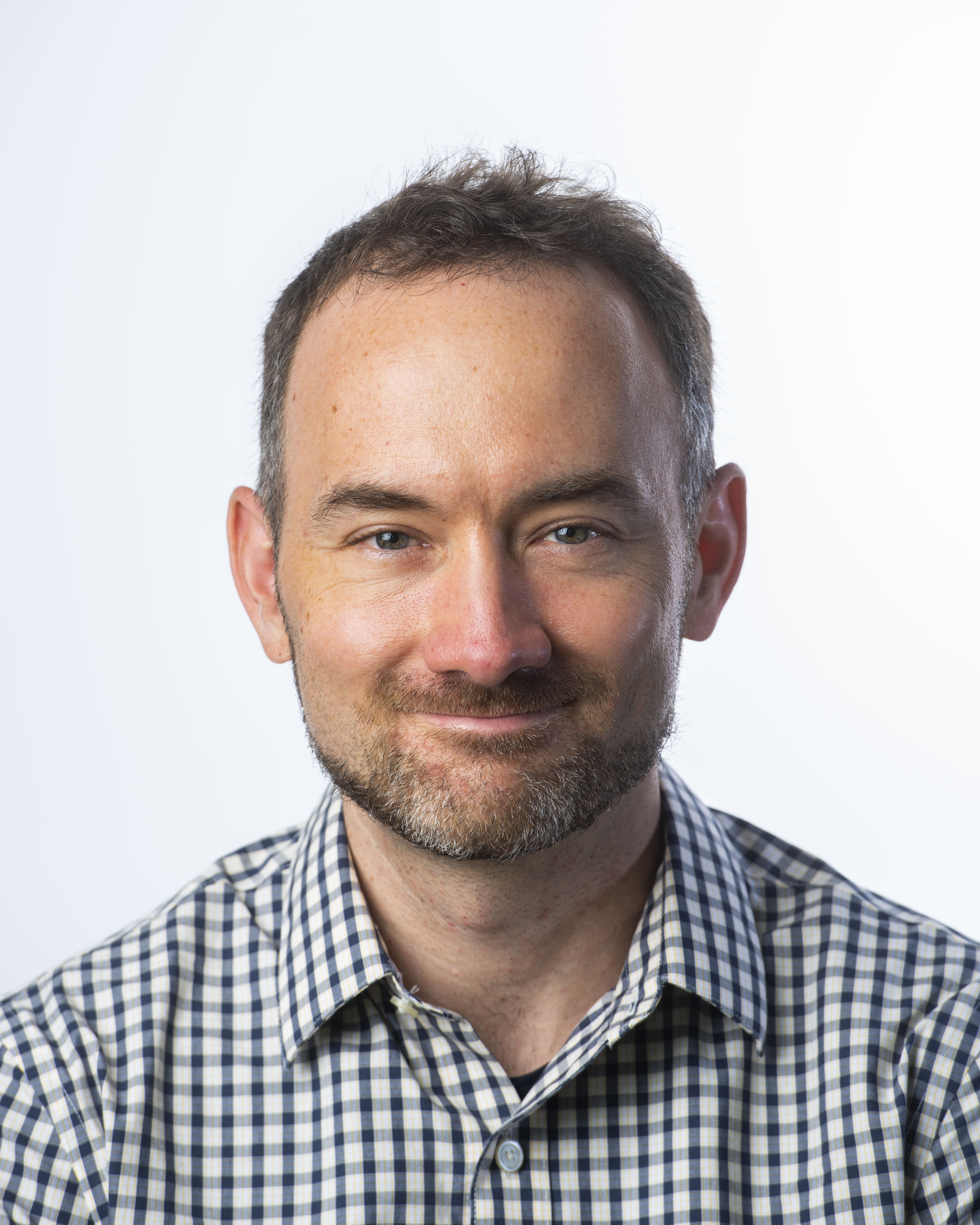
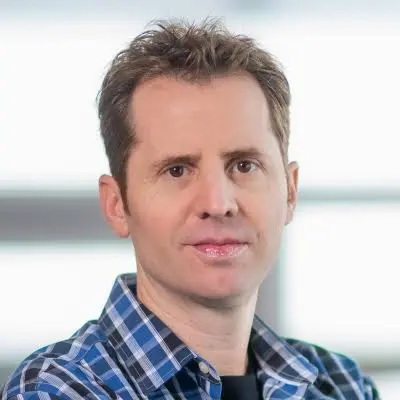

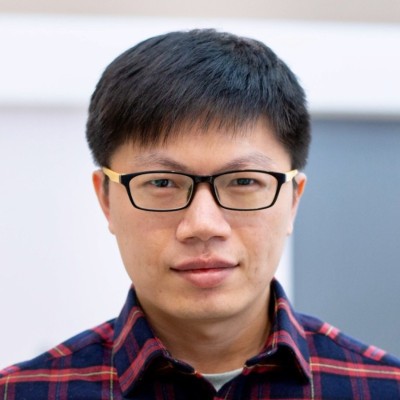
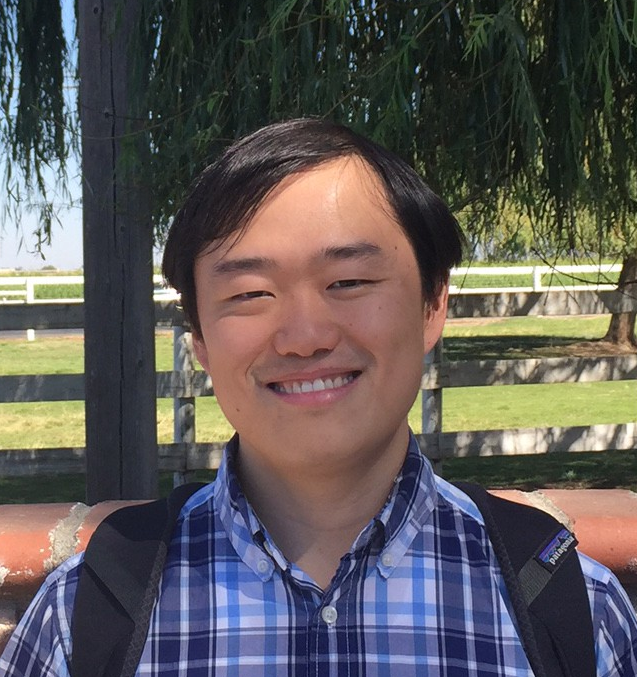
Committee (organizers & executors)
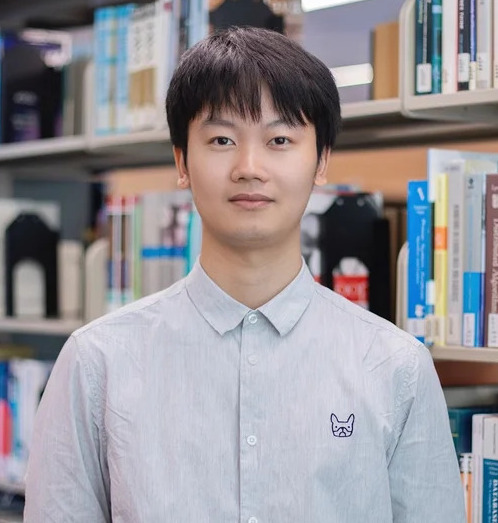
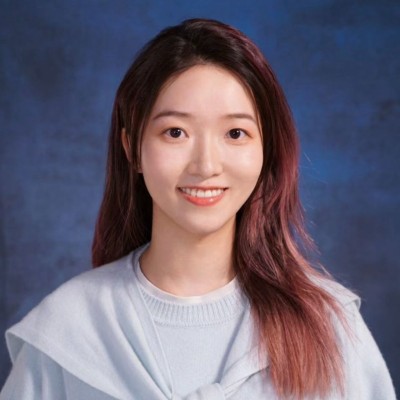



Sponsors



Contact
Questions? Reach us at mczhuge@gmail.com, ailingzengzzz@gmail.com.
References
Several related sample pages and papers on recursive self-improvement are listed below:
- https://people.idsia.ch/~juergen/metalearning.html
- GPTSwarm: Language Agents as Optimizable Graphs
- AlphaEvolve: A coding agent for scientific and algorithmic discovery
- Agent-as-a-Judge: Evaluate Agents with Agents
- Open-Ended Evolution of Self-Improving Agents
- https://people.idsia.ch/~juergen/goedelmachine.html
- Human-Level Coding Agent Development by an Approximation of the Optimal Self-Improving Machine